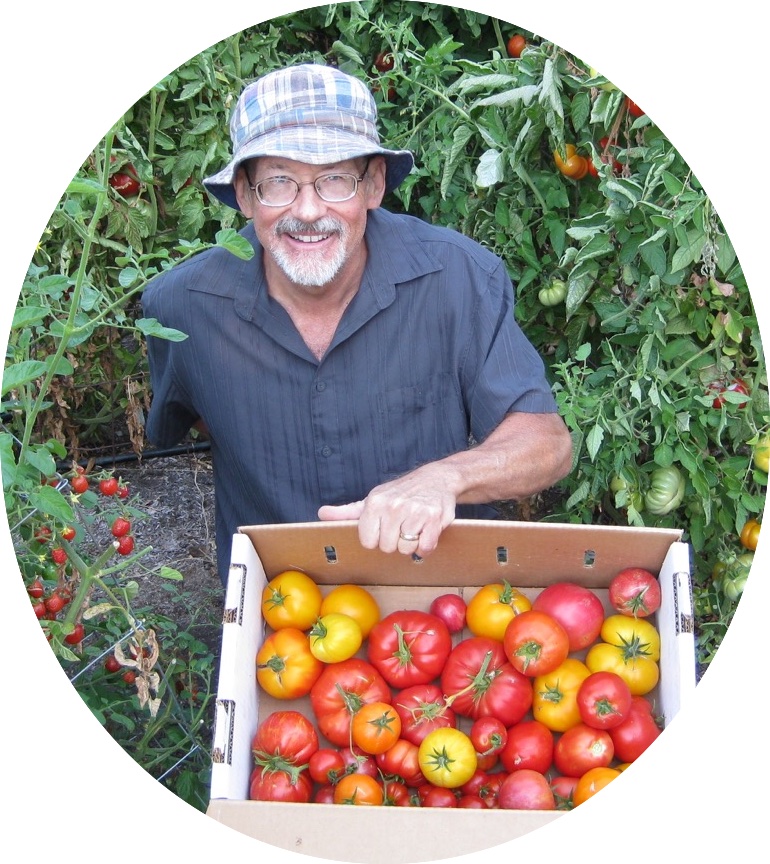
In case you need a refresher course, here are some points about the benefits of using compost in your garden, according to the UC Master Gardeners of Alameda County (https://ucanr.edu/sites/default/files/2017-07/264642.pdf) : • Improves Soil Structure (Tilth): Lightens heavy clay soils and adds structure to sandy soils. • Saves Water: Increases the water-holding capacity, reducing runoff and water usage. • Feeds Plants & Soil Life: Adds slow-release nutrients and boosts beneficial microorganisms and earthworms. • Balances pH: Helps to buffer and balance soil pH (acidity/alkalinity). • Reduces Needs: Lowers the need for commercial soil conditioners and chemical fertilizers. • Protects Plants: Encourages healthy root structure, helps control erosion, and acts as a mulch to reduce weeds and moderate soil temperature. How to Use Compost (UCANR Recommendations) • As a Soil Amendment: Mix 1–4 inches of compost into the top 6–10 inches of soil before planting. • For New Beds: Apply 3-4 inches of compost and turn into the soil. • As Top Dressing/Mulch: Apply 1-3 inches around established plants, trees, and shrubs (keeping it away from the stems). • For Lawns: Spread a 1/2 inch layer of compost over the lawn in the spring. • When to Apply: Fall is best for improving soil structure, but it can be applied in spring to prepare for planting. • Materials: Composting kitchen and yard waste helps prevent landfill waste and acts as a nutrient-rich fertilizer. For the Snarkies among you who answered, “And compost mulch provides a place for cats to poop.” Hey! Get your head out of the toilet. We covered how to thwart that in a previous newsletter (https://open.substack.com/pub/gardenbasics/p/a-tour-of-freds-garden-with-debbie?r=2lhdw&utm_campaign=post-expanded-share&utm_medium=web) . But if you think composting is a lot of work, what if I told you that you can make compost using just two ingredients, and you don’t have to turn the pile, ever! Now that I have your attention, here’s what Kellie Hallenbeck and Judy McClure had to say in a recent Sacramento County Master Gardener newsletter: “The average person in the U.S. consumes about three cups of coffee per day, with landfills receiving 75% of those spent coffee grounds. Deep in landfills, grounds are robbed of oxygen, so they cannot decompose aerobically like they do in a compost pile or worm bin. Instead, coffee grounds are subject to anaerobic decomposition that can produce large amounts of methane. Methane is a greenhouse gas contributing to global warming, 25 times more potent than carbon dioxide. Composting with coffee grounds is easy if you remember they are high in nitrogen and considered green for compost purposes. Just add a good supply of carbon-rich material, like dried leaves and shredded paper. Too much nitrogen can cause the release of ammonium gas and cause foul odors. At the same time, too little nitrogen will slow down the decomposition process. Follow your routine of food scraps and grass clippings by mixing 1 to 2 volumes of “browns” (dry, woody materials) to 1 volume of “greens” (moist, green materials, filters with grounds). Add water and turn the mixture to add air.” (Or, don’t turn. Read today’s podcast transcript interview further on in this newsletter (or listen to it, above) with Master Gardener and composting expert Susan Muckey to find out the why and how). “In 2022, the Compost team experimented using only coffee grounds as the “greens” and dried leaves as the “browns” to see how the final product compares with traditional methods. Too many coffee grounds were added, resulting in the pile being too wet. The Compost team is trying again with a bin made of a hog/chickenwire ring. The pile was demoed at the March 2026 Open Garden. During you next FOHC visit (https://ucanr.edu/site/uc-master-gardeners-sacramento-county/fohc-workshops-and-open-gardens) , stop by the Compost area to check on the process. How can you help to keep coffee grounds from entering the landfill? Take a bag (or 2 or 3) for your home garden during Open Garden Days (https://ucanr.edu/site/uc-master-gardeners-sacramento-county/fohc-workshops-and-open-gardens) . Small changes add up over time. Just think: by adding grounds to your compost, you will be reducing waste and protecting our environment, all the while having your coffee too.” A 4’×5’ sheet of 6-inch Concrete Reinforcement Wire (CRW) wrapped end-to-end forms a cylinder roughly 19 inches across and 4 feet tall — plenty of structure to hold a season’s worth of material while letting air reach the pile from every side. The wire ends along the seam can be secured with several zip ties through the opposing squares to lock it shut, so no special tools are needed (and you can pop it open to turn the pile, if necessary). The chicken-wire or 1/2” hardware-cloth liner goes on the inside of the Concrete Reinforcement Wire cylinder so it’s held in place by the pile’s outward pres...
 Getting the Soil Ready for Cool Season Plants
In today’s podcast, Sacramento County Master Gardener and vegetable expert Gail
Getting the Soil Ready for Cool Season Plants
In today’s podcast, Sacramento County Master Gardener and vegetable expert Gail
 Cool Season Garden PLANNING Time is Here
In today’s podcast, Master Gardener and vegetable expert Gail Pothour talks abou
Cool Season Garden PLANNING Time is Here
In today’s podcast, Master Gardener and vegetable expert Gail Pothour talks abou
 Pruning Blackberries
In today’s podcast, we talk with Sacramento County Master Gardener Michael Stins
Pruning Blackberries
In today’s podcast, we talk with Sacramento County Master Gardener Michael Stins
 Controlling Puncturevine Weed and Liquidambar Tree Seeds
We tackle two prickly topics: the spiky, caltrop-like seed balls of puncturevine
Controlling Puncturevine Weed and Liquidambar Tree Seeds
We tackle two prickly topics: the spiky, caltrop-like seed balls of puncturevine
Got a question, press inquiry or idea you'd like to share? Contact us through the form below and let us know how we can help.



Comments & Upvotes