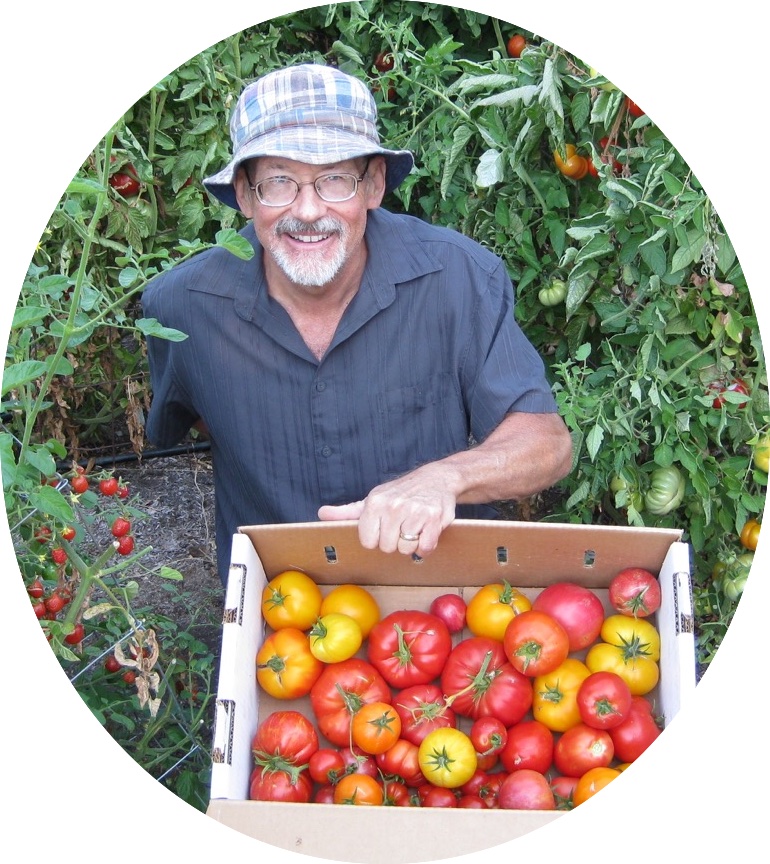
Collecting, Storing and Using Home-Saved Tomato Seeds If you want to save seeds of a particular tomato variety, remember that many varieties are hybrids; they may not necessarily come back with the same traits as the tomato you enjoyed last season. According to Penn State Extension, the result of these crosses usually only lasts one generation, so the seeds harvested from hybrids may produce disappointing results. Or, may not be a disappointment. Tomato flowers are primarily wind-pollinated. So, those plants grown in isolation or covered with insect netting during their flowering period may provide satisfactory results. Experiment! One tip: note the tastiest varieties in your garden right now, in September. Save those seeds. Then, next year, put the plant that germinates far away from your other tomato varieties. Open pollinated or heirloom tomato seeds are fine for saving, as long as they are grown 10-30 feet away from any other varieties. For best results: save the seeds from tomatoes that are overly ripe; rinse off as much of the flesh and protective gelatinous coating from the seeds as is possible. Then, soak the seeds in a jar of water for a couple of days to remove the rest of the coating. The seeds will sink to the bottom, the gel will float. Discard the gel, remove the seeds and let dry on a paper towel. Then, store in an airtight container in a cool, dry location. Tomato seed saving techniques can vary. Here’s a sampling of methods from across the country. From Penn State (https://extension.psu.edu/seed-saving-basics) : This is a public episode. If you'd like to discuss this with other subscribers or get access to bonus episodes, visit gardenbasics.substack.com/subscribe (https://gardenbasics.substack.com/subscribe?utm_medium=podcast&utm_campaign=CTA_2)
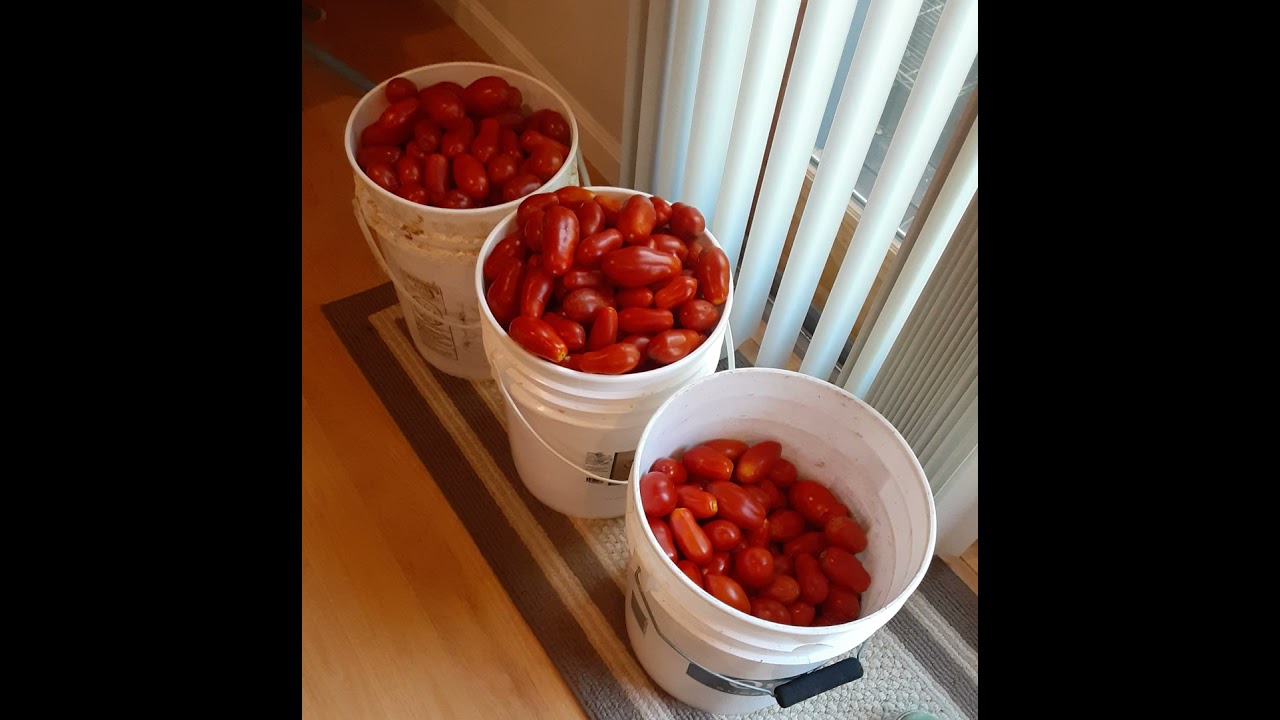 The 2026 Tomato Review Show
Redwood Barn Nursery (https://redwoodbarn.com/) owner Don Shor of Davis, Califo
The 2026 Tomato Review Show
Redwood Barn Nursery (https://redwoodbarn.com/) owner Don Shor of Davis, Califo
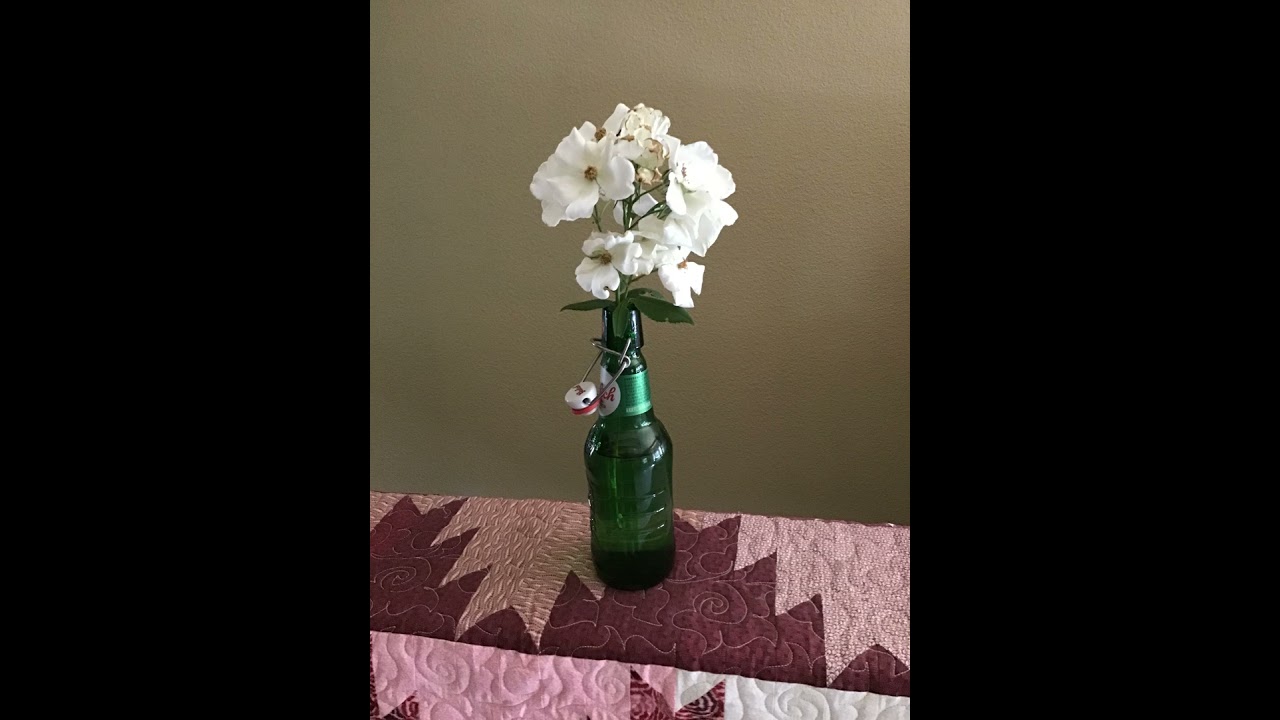 The Best Roses for Fall Color? We Have Suggestions.
In today’s podcast, I tell a long, drawn out story about what happened the night
The Best Roses for Fall Color? We Have Suggestions.
In today’s podcast, I tell a long, drawn out story about what happened the night
 Tips for Growing Tomatoes in a Greenhouse in Fall, Winter, and Spring
In today’s podcast, we talk with Mark Seibert of Sturdi-Built greenhouses (https
Tips for Growing Tomatoes in a Greenhouse in Fall, Winter, and Spring
In today’s podcast, we talk with Mark Seibert of Sturdi-Built greenhouses (https
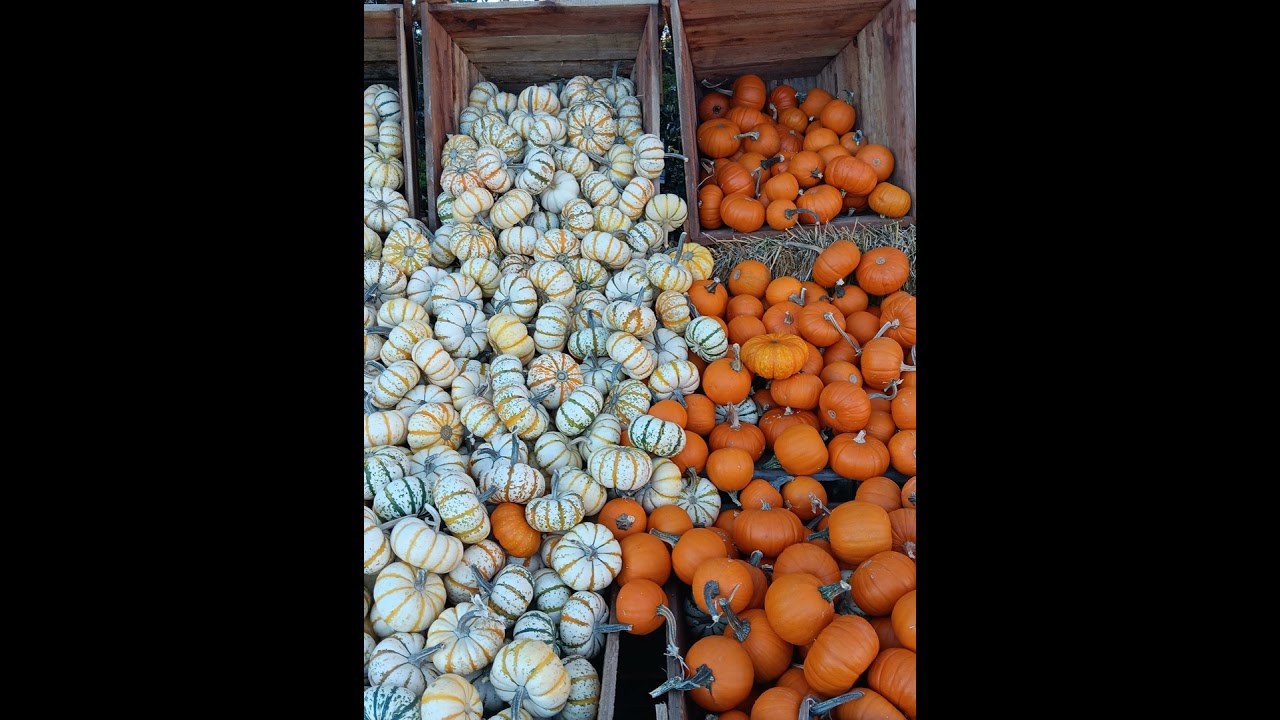 Pumpkins with Less Sprawl? Choose Mini-Pumpkins.
The discussion in today’s podcast focuses on pumpkins. Warren Roberts, Superinte
Pumpkins with Less Sprawl? Choose Mini-Pumpkins.
The discussion in today’s podcast focuses on pumpkins. Warren Roberts, Superinte
Got a question, press inquiry or idea you'd like to share? Contact us through the form below and let us know how we can help.



Comments & Upvotes