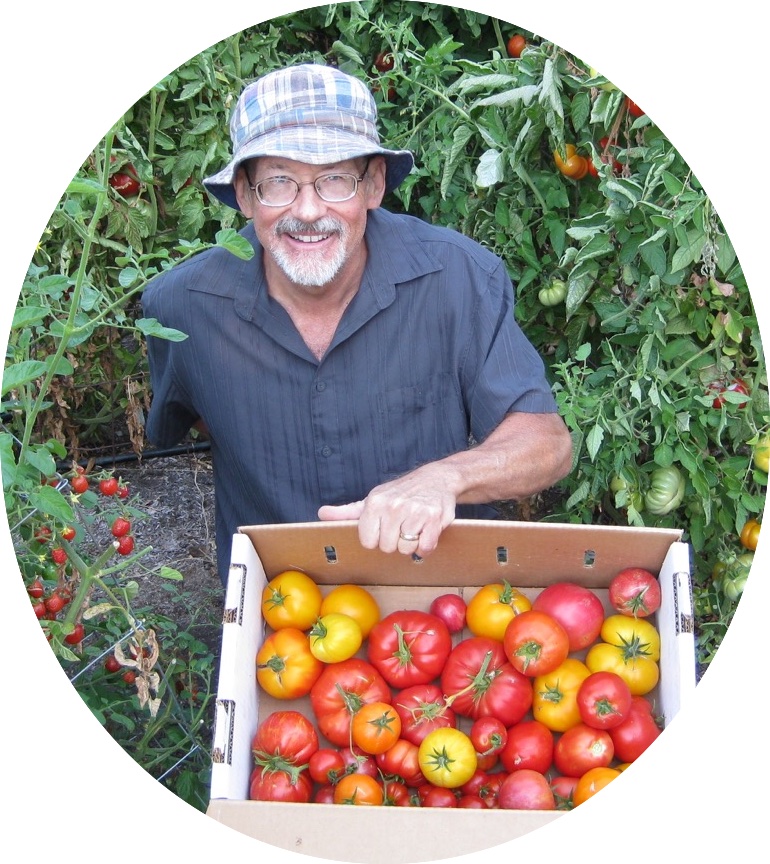
The discussion in today’s podcast focuses on pumpkins. Warren Roberts, Superintendent Emeritus of the UC Davis Arboretum, explains that the pumpkin is botanically a fruit, though it is usually eaten as a vegetable. He says the plant belongs to the genus Cucurbita, which is native to the Americas, especially Mexico and the Andes. He describes pumpkin types and notes that many large pumpkins are hybrids, often involving Cucurbita maxima. He contrasts these with the smaller typical pumpkin species, Cucurbita pepo. The conversation also covers the origin of jack-o’-lanterns, whose purpose, Roberts says, came from hollowed-out turnips or rutabagas used to carry coals before matches were available (a handy skill to remember when AI takes over). Short of Garden Room? Grow Mini-Pumpkins! Admittedly, I got a late start on planting pumpkins this year: in early summer (the 4th of July weekend), and I had only one raised garden bed, 4 feet by 8 feet, still available. So, I planted three pumpkin seeds that would eventually produce medium sized pumpkins, the “Jack O’ Lantern” variety, a fruit that gets about 15 pounds. I won’t make that mistake again. Fast-forward three months, and I have a jungle of green vines from those three seeds that have escaped the confines of the raised bed and are now proceeding to swallow the trunks of my adjacent fruit trees. And it looks like the end-result for Halloween decorations will be only four or five medium sized pumpkins. Not much production, considering the sprawl of the vines. And three of them are still green, making me wonder if they will be nice orange orbs ready for carving at the end of the month. Fortunately for gardeners, many seed catalogs and nursery seed racks feature pumpkin varieties that mature in about 90 days and don’t do much sprawling: the miniature pumpkins. There are several advantages to growing pumpkins that weigh less than a pound: quicker maturity, a smaller footprint, and versatility in shapes, color, and uses. This is a public episode. If you'd like to discuss this with other subscribers or get access to bonus episodes, visit gardenbasics.substack.com/subscribe (https://gardenbasics.substack.com/subscribe?utm_medium=podcast&utm_campaign=CTA_2)
 Wildfire Smoke vs. You and Your Garden
You know trouble awaits if there is a really orange sunrise on an otherwise clea
Wildfire Smoke vs. You and Your Garden
You know trouble awaits if there is a really orange sunrise on an otherwise clea
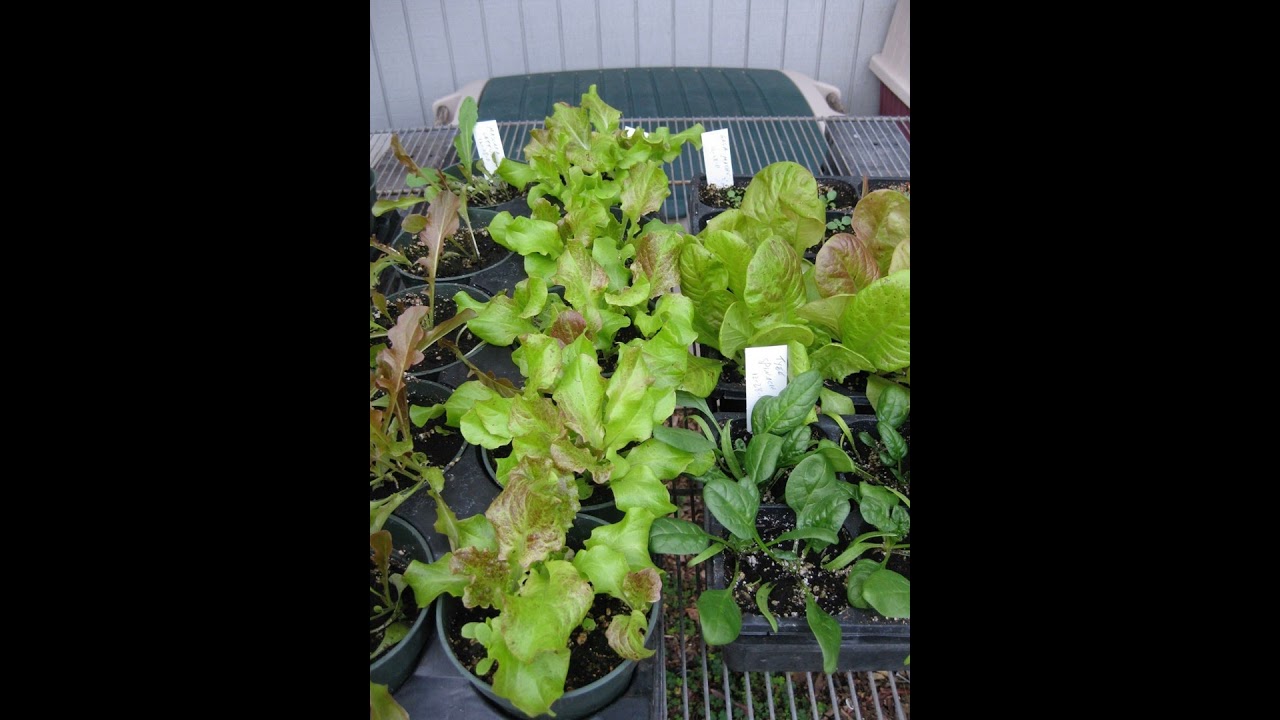 Growing Cool Season Vegetables
In today’s podcast, we talk with two nurserypeople who know their cool season ve
Growing Cool Season Vegetables
In today’s podcast, we talk with two nurserypeople who know their cool season ve
 Getting the Soil Ready for Cool Season Plants
In today’s podcast, Sacramento County Master Gardener and vegetable expert Gail
Getting the Soil Ready for Cool Season Plants
In today’s podcast, Sacramento County Master Gardener and vegetable expert Gail
Got a question, press inquiry or idea you'd like to share? Contact us through the form below and let us know how we can help.



Comments & Upvotes