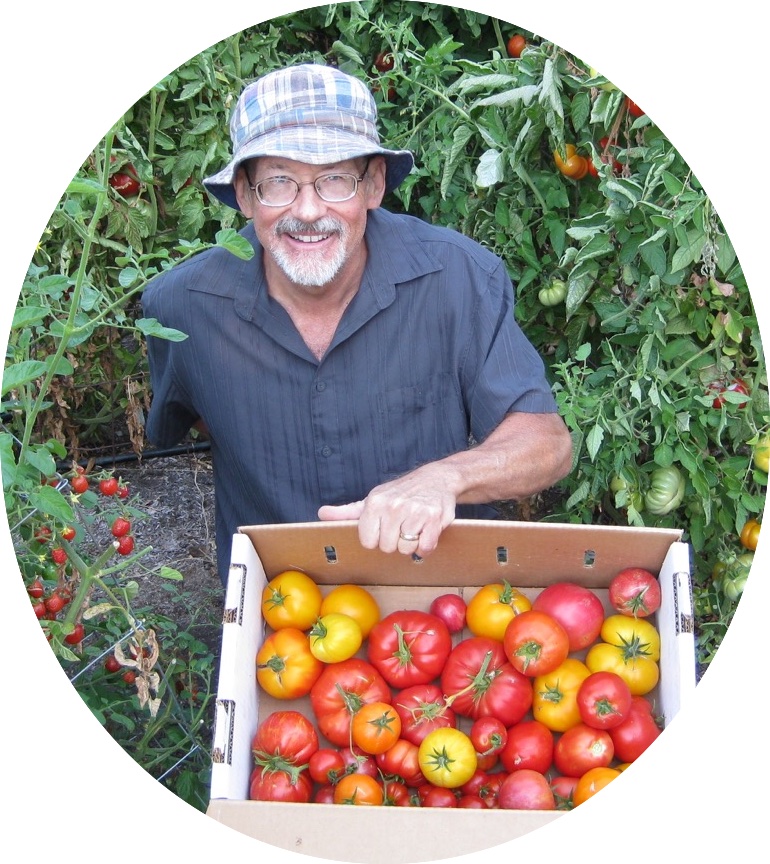
Beyond The Garden Basics is a reader-supported publication. To receive exclusive posts and complete access to past editions , consider becoming a paid subscriber. Today’s podcast interview focuses on consulting arborists and how they help property owners evaluate tree health. Gordon Mann explains that a consulting arborist provides independent inspections, identifies problems such as leaning, branch breakage, bark shedding, root issues, and recommends options for treatment or mitigation rather than only suggesting removal or trimming. But we talked about a lot more regarding shade trees. Among the topics discussed: * Call a consulting arborist (not a tree-care salesperson) every few years for an independent inspection, especially if you notice leaning, breaking branches, or unusual bark shedding. Find one via treesaregood.com (https://www.treesaregood.org) (ISA) or asca-consultants.org. (https://www.asca-consultants.org/?) * Don’t over-water lawns and starve trees: if you cut lawn irrigation, add dedicated deep watering for trees instead (e.g., a spiral soaker hose or concentric drip rings under mulch) so roots don’t rely on turf runoff. * Water deeply and infrequently (weekly to bi-weekly in dry season), covering the entire root zone from trunk to drip line, not just one emitter at the trunk. * Mulch with wood chips or leaf litter (”duff”), replenished every few years, as a top dressing only, never buried under the tree. It moderates soil temperature/moisture, builds soil biology, and softens rain impact. * Before planting, remove the tree from its container and check for circling roots; prune or score the root ball on four sides (and the bottom) to redirect root growth. * Use the “pedestal method”: dig the planting hole to the height of the root ball (or 1 inch less), keep that pedestal of native, unexcavated soil undisturbed, but loosen a much wider area around it (2–5x the root ball diameter). * Plant slightly high - top of the root ball about 1 inch above grade - to account for settling, and never plant in compost or heavily amended soil that will settle and bury the trunk. * If amending soil, mix in only 8–10% organic matter across the whole dug area rather than replacing native soil entirely. * Space trees for mature canopy size, not instant privacy. Plant further from fences and from each other to avoid crowding, root conflicts, and future removals. * Plant a diverse mix of species (no more than two of the same species in a row) to avoid catastrophic losses from pests/disease like Dutch elm disease or emerald ash borer; include some native trees for a stronger ecological palette. * Learn correct pruning cuts: avoid “heading cuts” (topping/chopping), which cause weak, densely packed regrowth; favor selective, purposeful cuts instead. * Prune only for a specific reason (health, structural safety, or clearance needs). Remove no more than 5–20% of foliage annually, and retire the outdated idea of “thinning” a tree just for looks. * For dead, dying, diseased, or crossing branches, evaluate each case individually rather than removing wholesale. A partial dead branch can sometimes be left for habitat. * Choose the right tree for the right purpose and location up front, accounting for underground utilities and infrastructure, since trees take 15–20+ years to deliver full shade/canopy benefits. * Give young trees a light shake 12–30 inches above the ground; if the root ball shifts, the tree isn’t rooting well and needs root pruning, transplanting, or replanting. Today’s conversation with Consulting Arborist Gordon Mann reminded me of two of the 11 Farmer Fred Garden Rules (https://open.substack.com/pub/gardenbasics/p/11-garden-tips-for-success?r=2lhdw&utm_campaign=post-expanded-share&utm_medium=web) : 7. EVERYTHING YOU KNOW IS WRONG. In the 1940’s & 50’s, DDT was available to home gardeners as a pesticide. Turns out, it caused cancer and killed birds. In the 1960’s-70’s, the Modesto Ash was considered the “perfect shade tree” for the Central Valley of California. Turns out, it is susceptible to anthracnose, mistletoe and is no longer recommended. In the first decade of the 21st century, the pesticides Diazinon and Dursban were taken off store shelves. Also proven ineffective, despite claims to the contrary: Vitamin B-1 for transplant shock, store-bought ladybugs, and tomato calcium spray to cure blossom end rot. In horticulture, research is always ongoing. 8. IF IT WORKS FOR YOU, FINE; BUT KEEP AN OPEN MIND. If you’re using safe gardening techniques that others frown upon - and those techniques are working…well, who are we to tell you to stop? Still, new research, techniques or equipment may make your chores a heck of a lot easier and satisfying. Today’s solution could become tomorrow’s problem. Be open to change. Even if you listened to the podcast, read the transcript. Gordon Mann had so many profound ideas about trees and tree care, you’ll learn a lot ...
 Getting the Soil Ready for Cool Season Plants
In today’s podcast, Sacramento County Master Gardener and vegetable expert Gail
Getting the Soil Ready for Cool Season Plants
In today’s podcast, Sacramento County Master Gardener and vegetable expert Gail
 Cool Season Garden PLANNING Time is Here
In today’s podcast, Master Gardener and vegetable expert Gail Pothour talks abou
Cool Season Garden PLANNING Time is Here
In today’s podcast, Master Gardener and vegetable expert Gail Pothour talks abou
 Pruning Blackberries
In today’s podcast, we talk with Sacramento County Master Gardener Michael Stins
Pruning Blackberries
In today’s podcast, we talk with Sacramento County Master Gardener Michael Stins
 Controlling Puncturevine Weed and Liquidambar Tree Seeds
We tackle two prickly topics: the spiky, caltrop-like seed balls of puncturevine
Controlling Puncturevine Weed and Liquidambar Tree Seeds
We tackle two prickly topics: the spiky, caltrop-like seed balls of puncturevine
Got a question, press inquiry or idea you'd like to share? Contact us through the form below and let us know how we can help.



Comments & Upvotes