In today’s podcast, Sacramento County Master Gardener and vegetable expert Gail Pothour explains how to transition garden beds and raised beds from warm-season crops to cool-season plantings. We talk about clearing out tomatoes, peppers, squash, cucumbers, and melons at the end of summer: should you pull out the plant or cut it off at the soil line? It depends. Gail will explain, emphasizing the importance of checking the roots of summer garden plants if they were victims of pests or disease. Gail mentions the advantages of adding compost and lightly working it into the soil rather than doing heavy tilling. She also discusses winter cover crops such as mustard mix, crimson clover, and soil-builder blends of cover crops (https://amzn.to/4rxIDIt) , along with how and when to cut them down so they improve the soil. Here are the main points from the podcast: * Before you rip out summer crops and jump straight into fall planting, take a beat and deal with your soil first. It makes a real difference. * When you pull spent tomatoes and squash, check a cross section of the main stem for browning. That’s a sign of fusarium wilt, and it means the disease could spread to your other beds. * Pull the roots all the way out instead of cutting plants at soil level. Yes, leaving roots to decompose feeds beneficial bacteria, but you need to see the roots to check for root knot nematodes. Gail’s team found nematodes in a bed that never had that problem before. * Skip granular fertilizers for fall planting. It’s slow release, and cool season crops need something that acts fast. A liquid feed, such as fish emulsion or kelp, works better. And honestly, you might not even need it. Let the plant tell you if it’s hungry through the yellowing leaves. * Work a couple inches of compost into the bed gently. No tilling needed. Just slide a garden fork in (a broadfork (https://amzn.to/4AhC40u) is ideal), rock it a bit, and let the compost filter down naturally so you’re not disturbing the soil structure too much. That helps preserve the existing beneficial soil microbiology. * Cover crops are a smart move if you’re not planting edibles in every bed this winter. Try a mustard mix (it actually helps suppress nematode populations), crimson clover for nitrogen fixing, or a soil builder blend of oats, vetch, peas and bell beans. * Timing matters with cover crops (https://amzn.to/4rxIDIt) . Cut them down while they’re flowering. That’s when the nitrogen benefit to your soil is highest. Let them go to seed and most of that nitrogen gets diverted into the beans or pods instead. * Fine cover crops like mustard and crimson clover can be left right on the soil as mulch. Woodier ones like bell beans and the soil builder mix need to be chopped up first, or they’ll take forever to break down. * With a wet winter predicted, mulch is doing double duty. It protects against erosion and it cushions the soil from compaction when heavy rain pounds down on bare dirt. * Only use disease-free plant material for mulch or compost. If you’re dealing with powdery mildew (https://ipm.ucanr.edu/home-and-landscape/powdery-mildew-on-vegetables/#gsc.tab=0) , fusarium (https://ipm.ucanr.edu/home-and-landscape/fusarium-wilt/#gsc.tab=0) , or nematodes (https://ipm.ucanr.edu/home-and-landscape/nematodes/#gsc.tab=0) , that spent plant material needs to go in the trash, not back into your growing space. * Check thick foliage plants like tomatoes for pest eggs before composting them. Leaf-footed bug eggs and similar pests will happily overwinter in your compost pile and come right back to suck on your plants next season. * Great low-maintenance winter crops for milder zones include lettuce, peas, fava beans, beets, carrots, bok choy, cabbage, kohlrabi, and brussels sprouts. * Tokyo Bekana Chinese cabbage is worth growing even though it’s technically a brassica. It’s soft and lime green with a thin leaf, so it eats more like lettuce than cabbage. * Soak pea seeds overnight in tepid water before planting to help speed germination. * Beet and chard seeds benefit from a shorter (2-4 hours) soaking in water too. That soaking helps break down those seeds’ natural germination inhibitor, speeding the germination process. * Carrot seeds are notoriously slow and tricky, sometimes taking three weeks to germinate. Cover them lightly with compost, lay a thin row cover or burlap on top, and keep the bed consistently moist. If carrot seeds dry out mid-germination, they die. More info here (https://www.fontanaseeds.com/pages/everything-you-need-to-know-about-carrot-seeds?srsltid=AU7gw4U876Gl7ZHcircDDzxw1bg_7coPPvm69rHXCNHdZ6NPbbtIbNEy) about growing carrots. * Soaking carrot seeds for a few hours before planting can speed things up considerably. Some gardeners even rub the seeds on a sieve to rough up the coating a bit, which can help too. * Don’t skip watering just because it’s cooler out. The soil needs to be moist before you plant, and consisten...
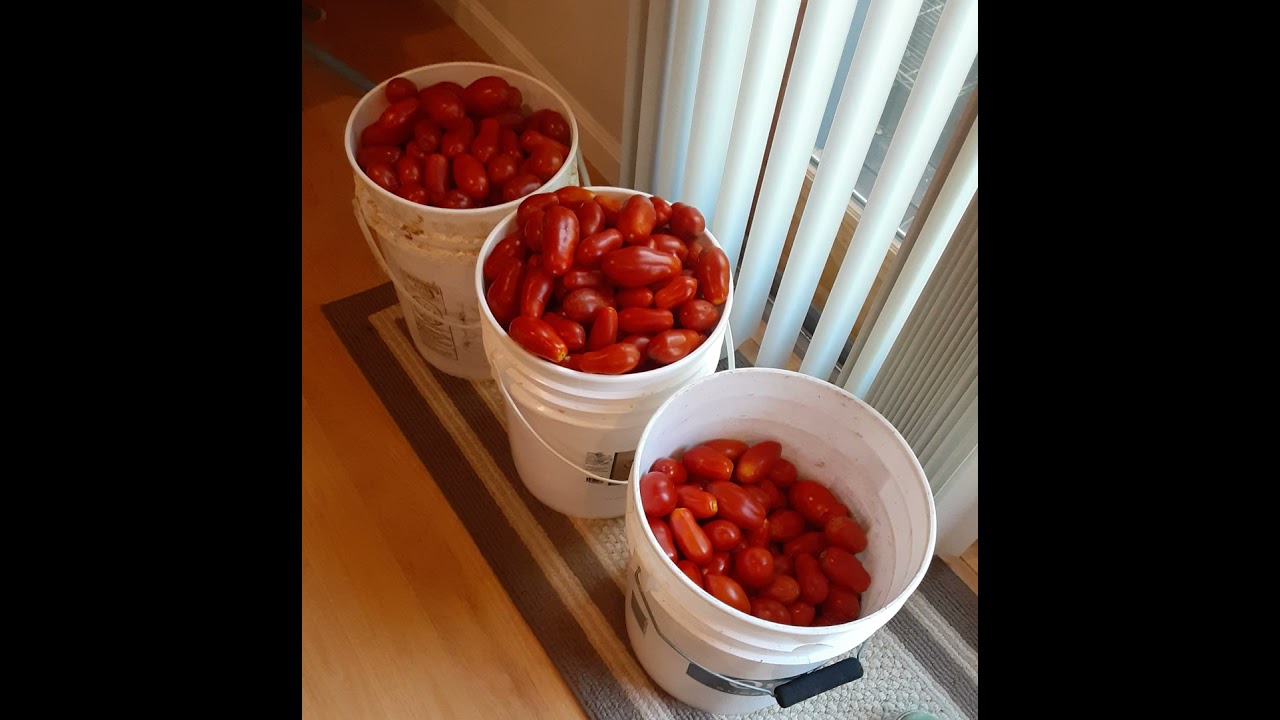 The 2026 Tomato Review Show
Redwood Barn Nursery (https://redwoodbarn.com/) owner Don Shor of Davis, Califo
The 2026 Tomato Review Show
Redwood Barn Nursery (https://redwoodbarn.com/) owner Don Shor of Davis, Califo
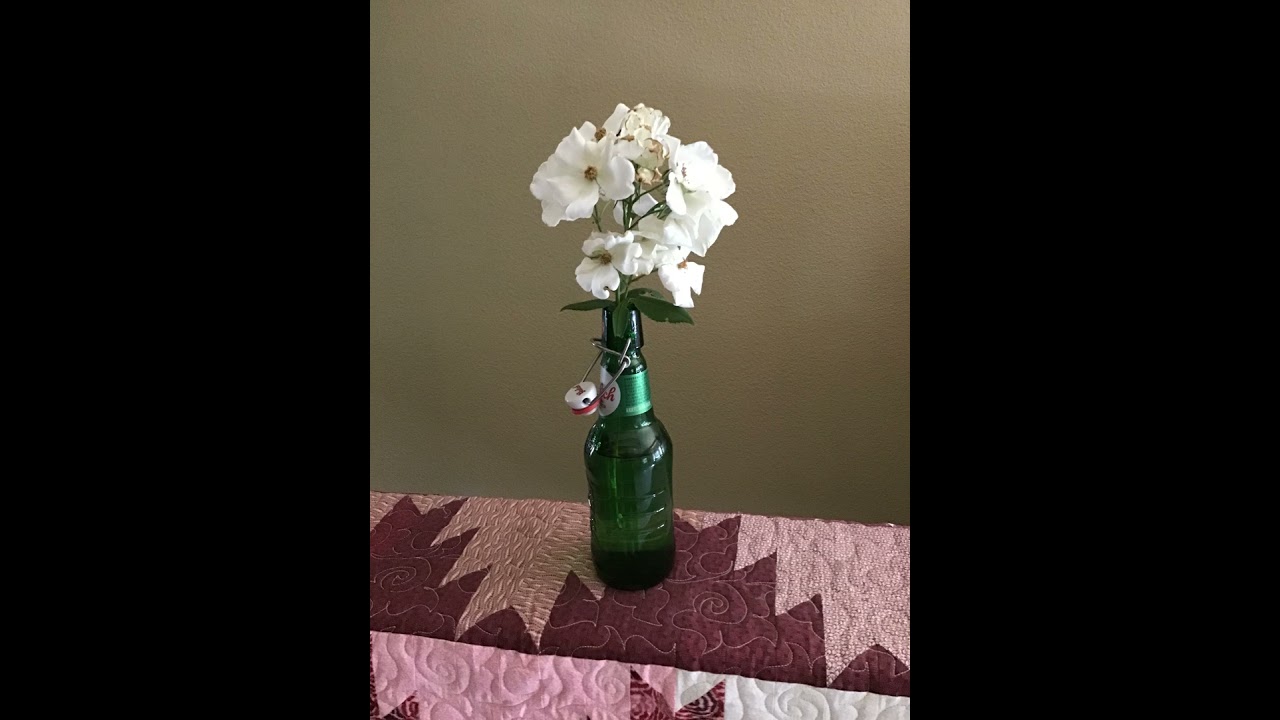 The Best Roses for Fall Color? We Have Suggestions.
In today’s podcast, I tell a long, drawn out story about what happened the night
The Best Roses for Fall Color? We Have Suggestions.
In today’s podcast, I tell a long, drawn out story about what happened the night
 Tips for Growing Tomatoes in a Greenhouse in Fall, Winter, and Spring
In today’s podcast, we talk with Mark Seibert of Sturdi-Built greenhouses (https
Tips for Growing Tomatoes in a Greenhouse in Fall, Winter, and Spring
In today’s podcast, we talk with Mark Seibert of Sturdi-Built greenhouses (https
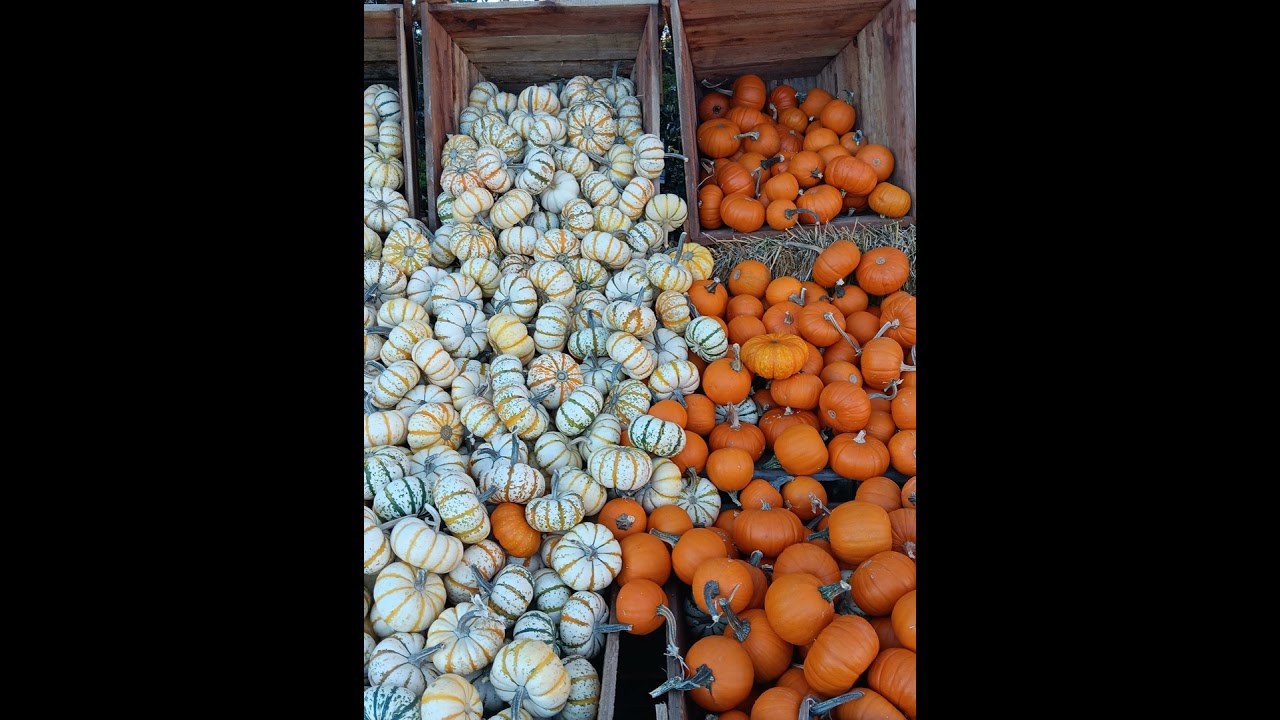 Pumpkins with Less Sprawl? Choose Mini-Pumpkins.
The discussion in today’s podcast focuses on pumpkins. Warren Roberts, Superinte
Pumpkins with Less Sprawl? Choose Mini-Pumpkins.
The discussion in today’s podcast focuses on pumpkins. Warren Roberts, Superinte
Got a question, press inquiry or idea you'd like to share? Contact us through the form below and let us know how we can help.



Comments & Upvotes