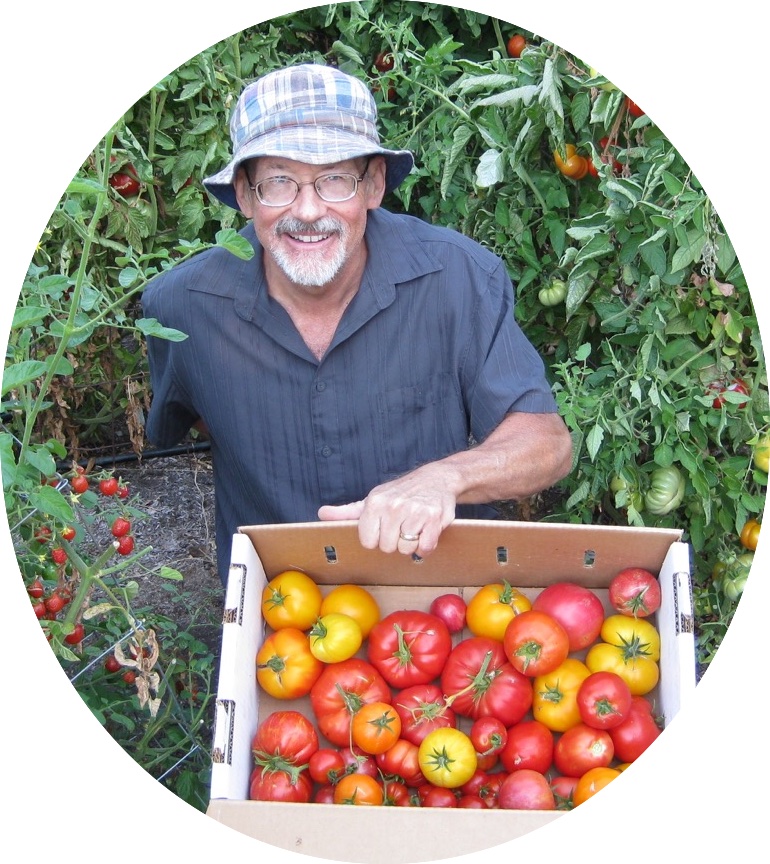
In today’s podcast, Master Gardener and vegetable expert Gail Pothour talks about cool season greens to grow in your backyard garden during the fall and winter. There’s a human-corrected transcript at the bottom of this newsletter. Among the main points in our conversation: * Cool season vegetable gardening works especially well in USDA zones 7, 8, 9, and 10; but in colder areas you can grow food nearly year round if you plan for it. * Late summer into early fall is the time to pull tired summer crops, work in some compost and fertilizer, and get cool season seeds or transplants in the ground while the soil is still warm. * Most cool season crops mature fast, often in 40 to 60 days, so you can have a real harvest within about two months. * A cold frame, basically a raised bed with a hinged translucent lid, protects plants from frost and heavy rain, and doubles as an insect barrier when you stretch screen across the open top during the day. A must for colder climates. * Floating row covers are one of the most useful tools this time of year. It keeps cabbage loopers and imported cabbage worms from laying eggs on brassicas like kale, broccoli, cauliflower and radishes, and it can even help slow down snails and slugs. * Row covers also help slow-to-germinate seeds like carrots and beets by keeping the soil consistently moist while they sprout. * Beginners are usually better off buying transplants than starting from seed, since crops like lettuce and carrots can be tricky to germinate from seed. * When buying transplants, choose smaller, sturdy, healthy looking plants rather than tall or root-bound ones, since cool season crops don’t love having their roots disturbed. * If you can’t plant right away, move six pack transplants into their own four inch pots with fresh potting soil first. It gives them a chance to build stronger roots before they go in the ground. * For lettuce, stick with loose leaf types like romaine and butter lettuce rather than Iceberg, which struggles to head up properly in home gardens in the warmer areas of USDA Zone 9. Favorites mentioned include Salanova red butter, Pomegranate Crunch, Lola Rossa and the heirloom Forellenschluss (also known as “speckled trout” or “flashy trout back”). * Swiss chard, especially “Bright Lights” with its multicolored stems, is easy to grow, good looking enough for a flower bed, and often overwinters into the next summer. * For kale, go with edible types like Lacinato (dinosaur kale), Tuscan baby leaf, Red Bor, and Red Russian rather than the tough, purely ornamental kales. * Asian greens like Pak Choi and Bok Choy, including a fast growing All America Selection called Asian Delight, are quick to harvest and tend to have fewer pest problems because they’re in the ground for such a short time. * Once brassicas bolt in late winter, the flowers are a magnet for bees and other beneficial insects, and the young flower shoots on kale can be cut and cooked just like broccolini. * For spinach, look for less crinkled varieties like Tyee, which are easier to clean, and treat it as a fast, short lived crop worth succession planting rather than one you let linger in the garden. This is a public episode. If you'd like to discuss this with other subscribers or get access to bonus episodes, visit gardenbasics.substack.com/subscribe (https://gardenbasics.substack.com/subscribe?utm_medium=podcast&utm_campaign=CTA_2)
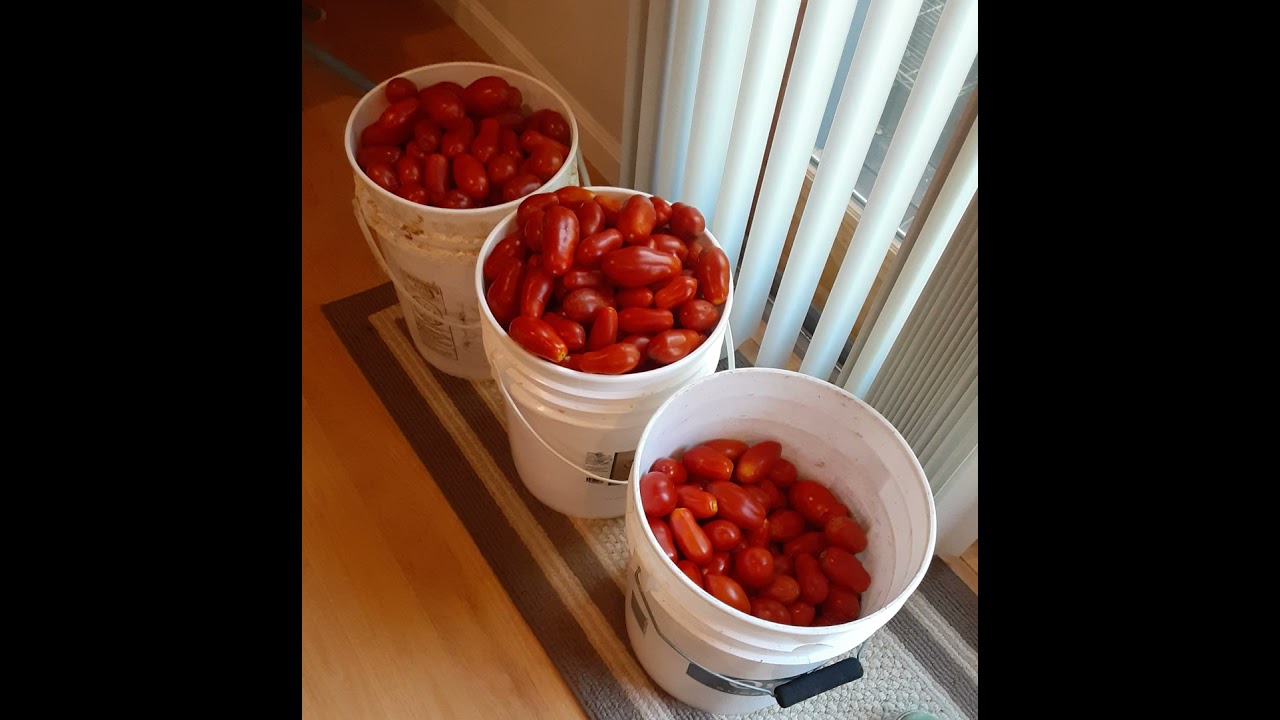 The 2026 Tomato Review Show
Redwood Barn Nursery (https://redwoodbarn.com/) owner Don Shor of Davis, Califo
The 2026 Tomato Review Show
Redwood Barn Nursery (https://redwoodbarn.com/) owner Don Shor of Davis, Califo
 The Best Roses for Fall Color? We Have Suggestions.
In today’s podcast, I tell a long, drawn out story about what happened the night
The Best Roses for Fall Color? We Have Suggestions.
In today’s podcast, I tell a long, drawn out story about what happened the night
 Tips for Growing Tomatoes in a Greenhouse in Fall, Winter, and Spring
In today’s podcast, we talk with Mark Seibert of Sturdi-Built greenhouses (https
Tips for Growing Tomatoes in a Greenhouse in Fall, Winter, and Spring
In today’s podcast, we talk with Mark Seibert of Sturdi-Built greenhouses (https
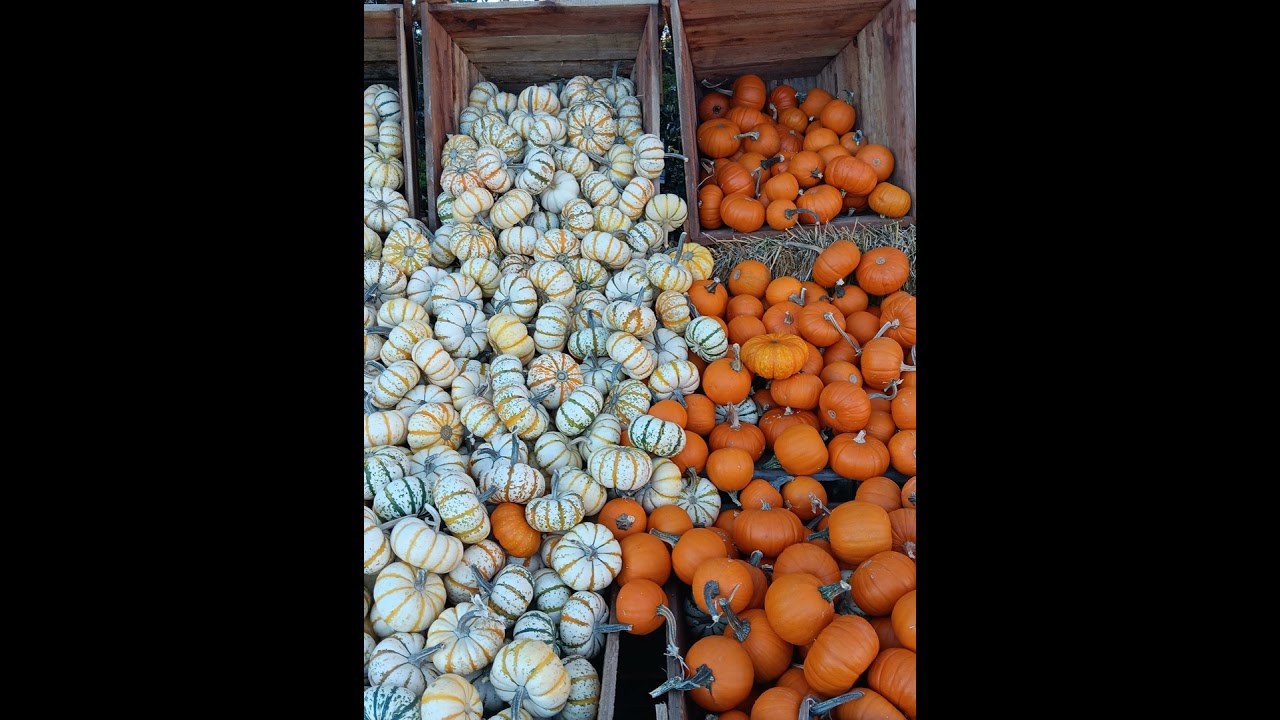 Pumpkins with Less Sprawl? Choose Mini-Pumpkins.
The discussion in today’s podcast focuses on pumpkins. Warren Roberts, Superinte
Pumpkins with Less Sprawl? Choose Mini-Pumpkins.
The discussion in today’s podcast focuses on pumpkins. Warren Roberts, Superinte
Got a question, press inquiry or idea you'd like to share? Contact us through the form below and let us know how we can help.



Comments & Upvotes